Owning a home in Kanab used to be simple: you lived in it, or you leased it to a local family. Today the choice is harder. Park visitors want a house with a kitchen and a yard, and the city has its own rules for nightly rentals.
At Prime Properties, our job is to help owners see the real trade-offs, then build a plan that earns more while protecting the home.
Why Kanab is a different kind of market
Kanab's demand comes from geography. Zion is about 40 minutes west, Bryce about 75 minutes north, and the Grand Canyon's North Rim roughly 80 minutes south. Lake Powell, Coral Pink Sand Dunes, and Best Friends Animal Sanctuary are all easy day trips.
That makes Kanab a base camp. Visitors book one home and explore two or three parks from it, and they want space, a kitchen, and parking for the car or the side-by-side.
The catch is seasonality. Peak season generally runs March through October, and winter can be quiet. Published occupancy figures also vary widely by source, from 27% to 52%, so any estimate for your home should be built from your property, not a town-wide average.
That base-camp role works in owners' favor. Demand doesn't hinge on one attraction, so when one park is crowded or a road closes, guests simply shift their plans to another park from the same home.
What could your Kanab home earn?
Get a free rental review built on your property, not a town-wide average.
The short-term rental path
Nightly rentals offer the highest income ceiling in Kanab, but only with active management. Rates need to rise for spring break, summer, and fall shoulder weekends, and fall again in January so the calendar doesn't sit empty.
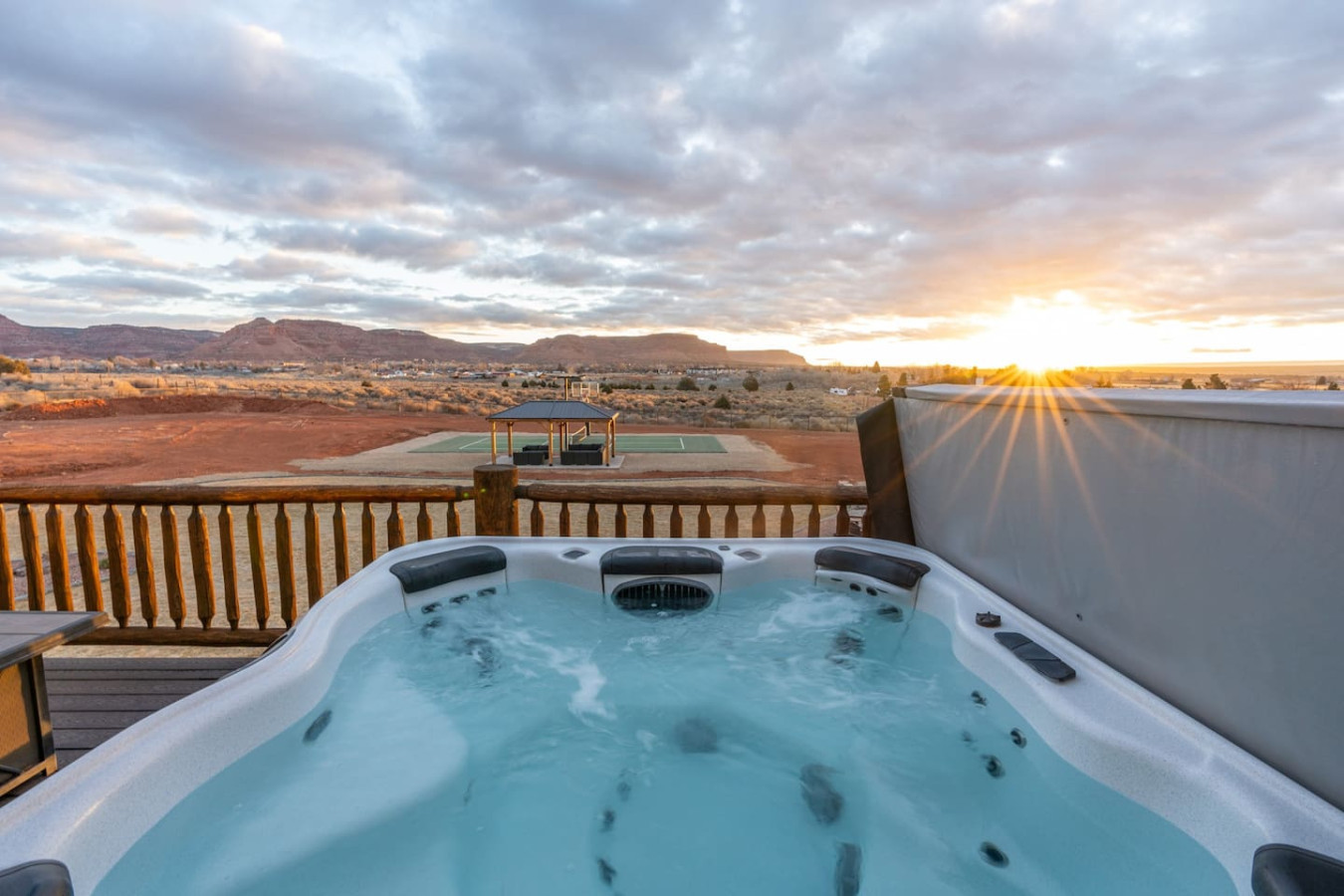
The homes that win here tend to sleep larger groups and offer something guests can't get at a motel on Highway 89: a hot tub, a fire pit, a big kitchen, a view of the cliffs, or room for an off-road trailer.
Short-term rentals also keep the home in your hands. You can block dates for your own trips, and frequent cleanings mean someone sees the property every few days, so small issues get caught early.
Featured Kanab home
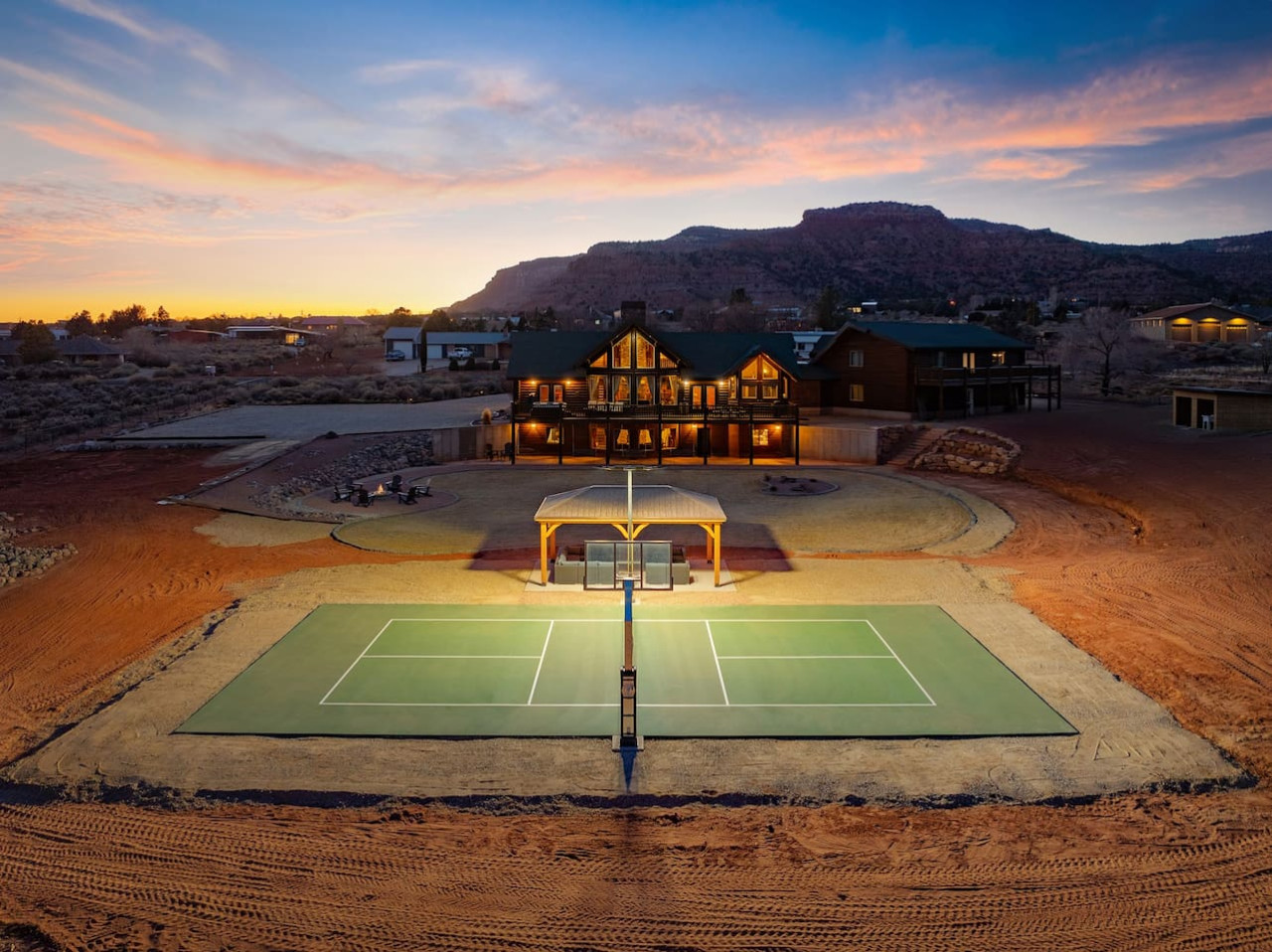
The Blackhawk Cabin
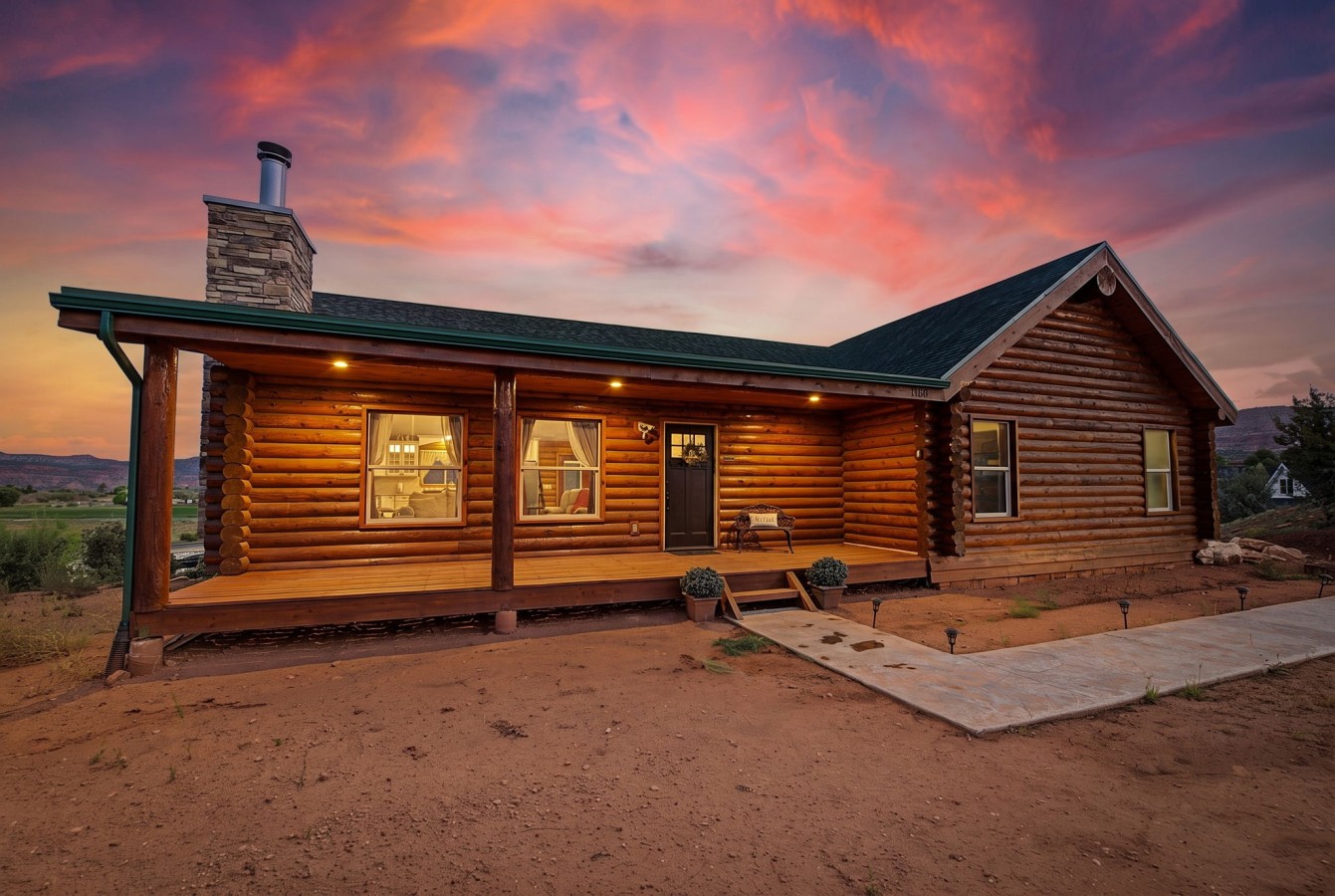
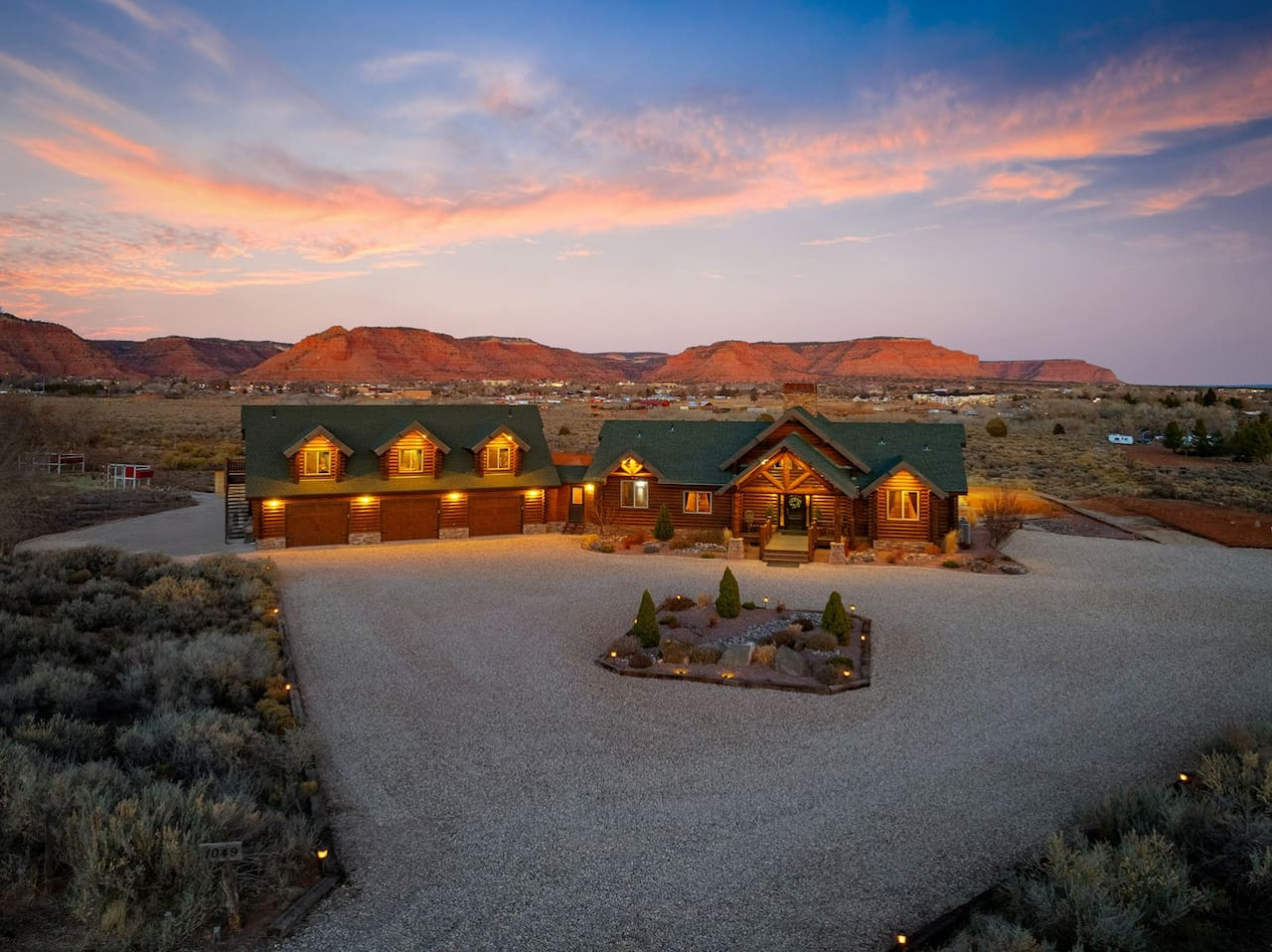
Two private acres of red rock views, a 100-foot deck, an outdoor movie pavilion, and room for the side-by-side. It's exactly what guests can't find at a motel, which is why groups book it as their base for Zion and Bryce.
View this home →Why not just sign a long-term lease?
Some owners consider a 12-month lease because it feels simpler. In a destination town like Kanab, though, it usually leaves money on the table.
The trade-offs are real. Your income is capped by the lease, the home is off-limits to you for the full term, and wear can go unnoticed until move-out. You also skip the busy-season rates that make Kanab attractive in the first place.
| Short-term (nightly) | Long-term (12-month lease) | |
|---|---|---|
| Income | Highest potential, varies by season | Fixed, predictable monthly rent |
| Your own use | Block dates anytime | None during the lease |
| Management | Daily pricing, guest care, cleanings | Light: rent, repairs, renewals |
| Upkeep | Inspected after every stay | Checked mainly at move-out |
| Rules and taxes | City license, fire inspection, lodging taxes | Standard landlord rules |
Making the slow season work
Kanab's winter is quieter, but a well-managed nightly rental doesn't have to sit empty. The goal is to protect peak-season rates while still capturing the travelers who come in the off-months.
That means adjusting rates and minimum stays week by week, filling short gaps between bookings with last-minute pricing, and marketing to off-season guests: hikers avoiding summer heat, photographers, and visitors to Best Friends Animal Sanctuary.
It also means listing your home everywhere guests search, from Airbnb and Vrbo to Booking.com and our own direct-booking site. A slow week on one platform shouldn't mean a slow week for your home.
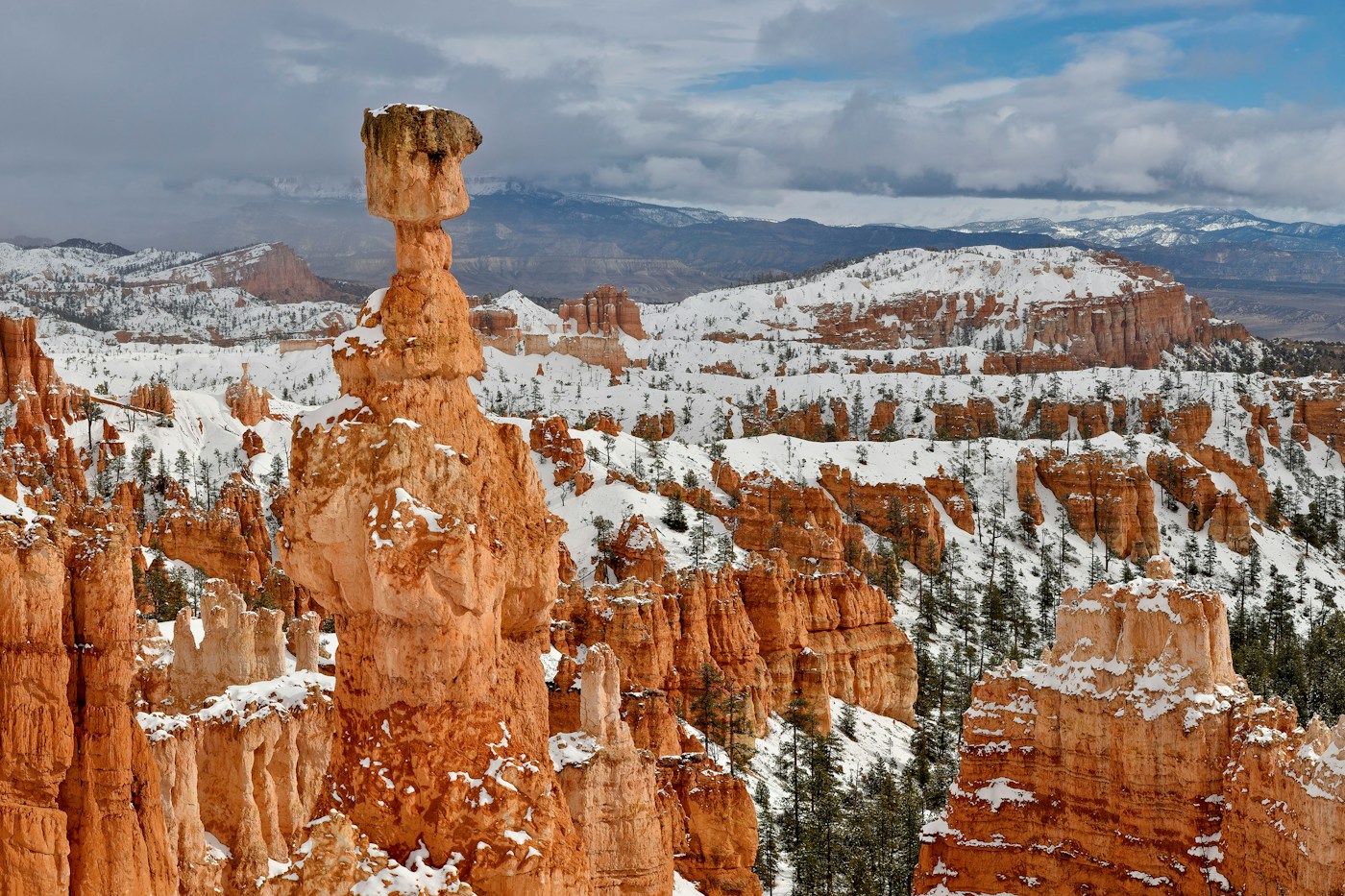
Snow-dusted hoodoos at Bryce Canyon, an easy winter day trip from Kanab. Photo: Pedro Lastra / Unsplash
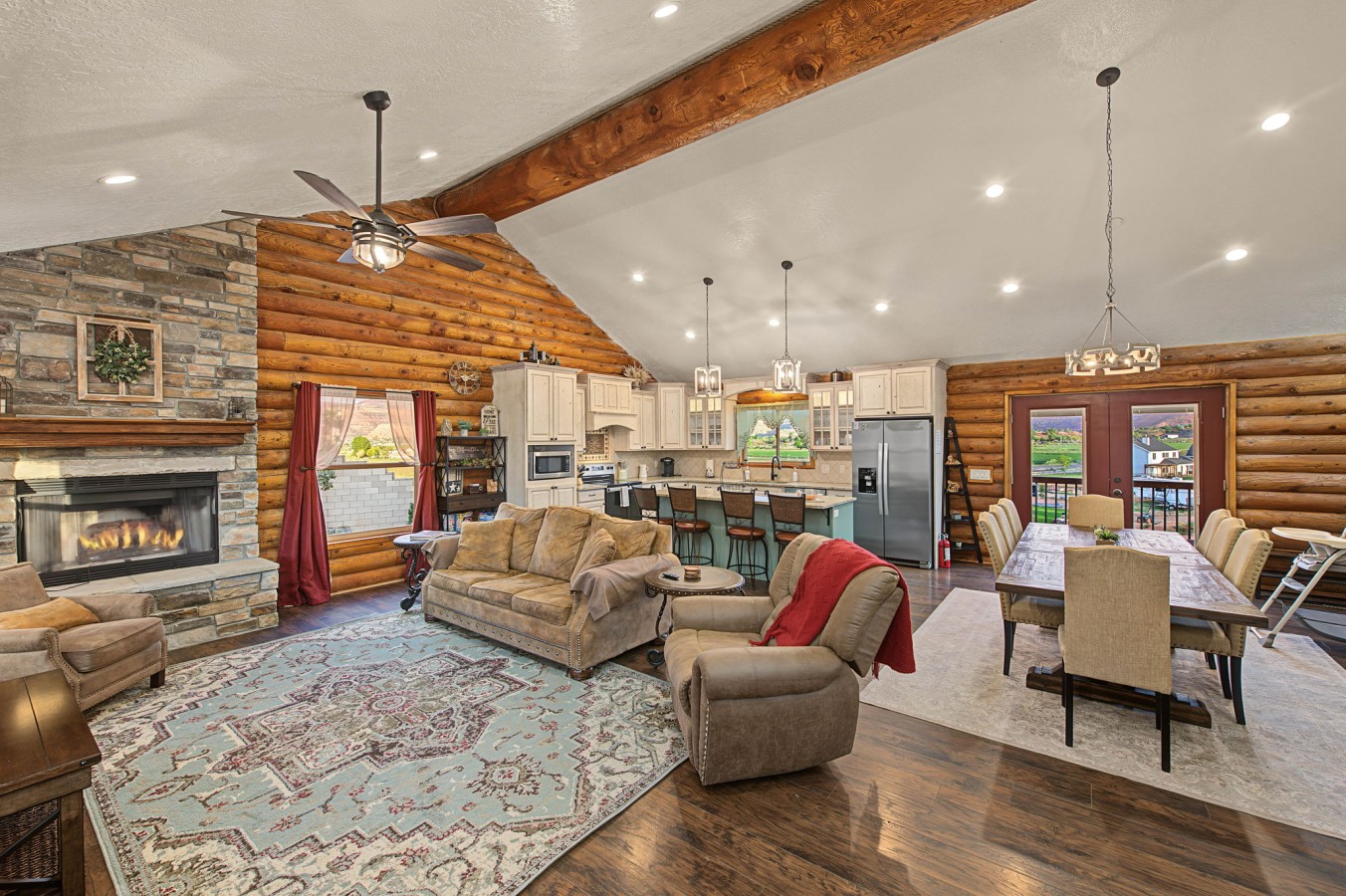
The fireplace at Cliffrose Cabin, the kind of space winter guests look for
Rules and taxes to know in Kanab
Kanab is considered one of Utah's more rental-friendly towns, but nightly rentals still come with requirements. The basics:
- City business license. Kanab regulates vacation rentals under its land use ordinance, Section 4-33, and requires a short-term rental business license for stays under 30 days.
- Annual fire inspection. Licensed rentals must pass Kanab City fire inspections each year.
- Zoning and limits. Applicants submit a site plan, meet parking requirements, and post the city's rental rules inside the home; single-family zones also limit how many rentals one property can hold.
- Lodging taxes. Nightly rentals collect sales tax plus transient room tax, which includes Kanab City's own transient room tax. Platforms like Airbnb and Vrbo collect for their bookings, but owners still file returns.
Rules change, so confirm the current requirements with Kanab City before you list. A good manager handles all of this for you.
A word on tax structure
How you run the property can matter as much as what it earns. Short-term rentals are often treated differently from long-term leases for tax purposes, and depending on how involved you are, they may open up options like accelerated depreciation on furnishings and improvements or cost segregation studies.
These rules depend on your situation and change often, so talk with a CPA who works with rental owners before you choose a path. What we can do is give your advisor clean monthly statements and year-end reports to work from.
Find the right path for your Kanab home
There's no single right answer for every Kanab property. The best plan depends on your home, how often you want to use it, and how much income versus predictability you're after.
Prime Properties manages it all: licensing and inspections, dynamic pricing through the seasons, guest care, cleaning, and keeping your calendar full through the off-season. We manage every home like we own it.
Sources
Kanab City short-term rental business license application; Kanab City transient room tax ordinance; Best Utah Real Estate (drive times, peak season); Rabbu and RedAwning (occupancy estimates); Home Team Luxury Rentals (Kanab zoning summary); Avalara (Utah lodging tax rules).